
← All notes Note N°03 / 04
Hotel Photography for Interiors: Capturing Elegance
The magic of hotel photography for interiors lies in capturing the elegance of spaces, but why is the right angle so crucial?
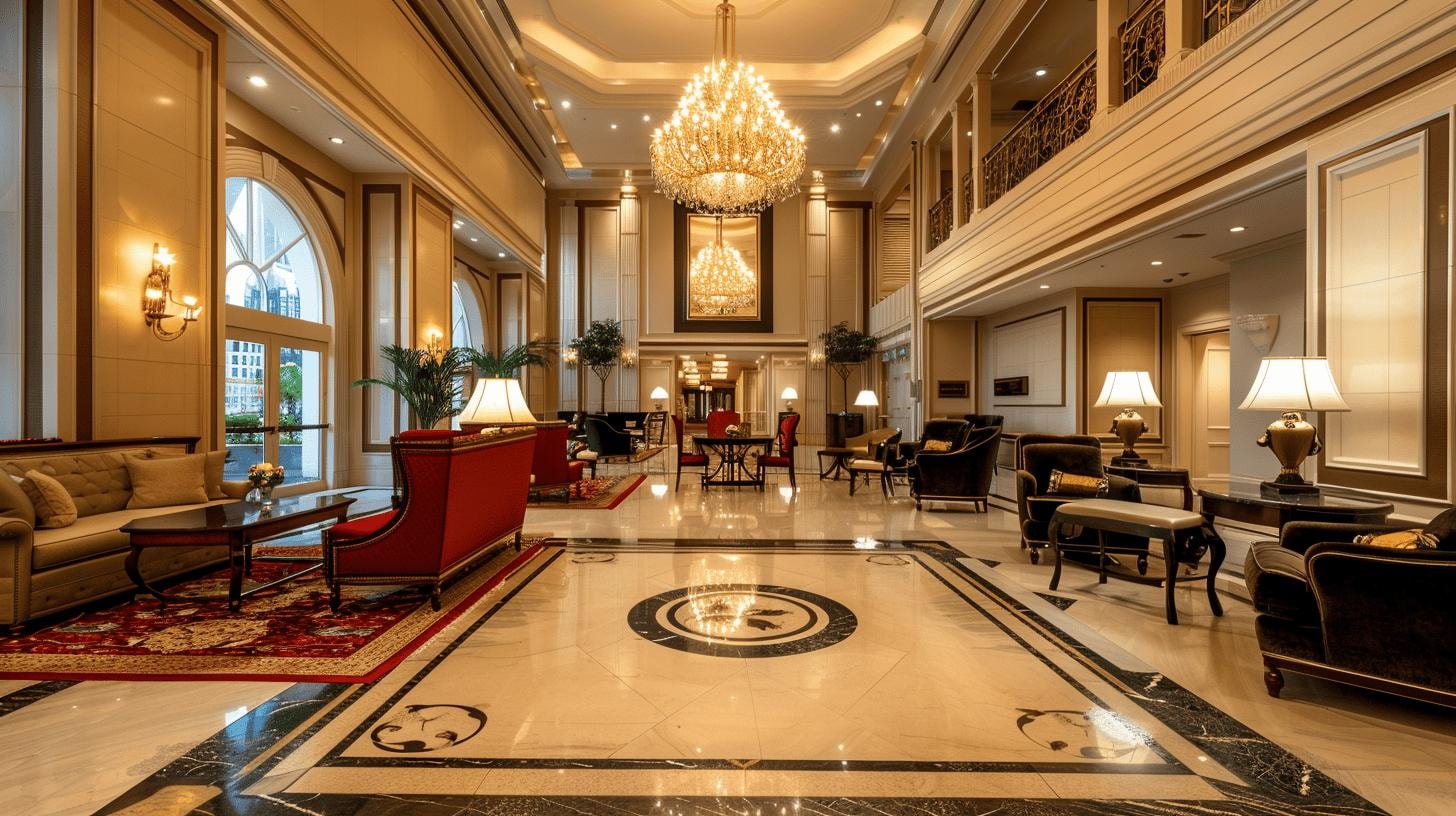
Have you ever wondered how some hotels seem to allure potential guests through photos alone? High-quality hotel photography for interiors isn’t just about taking pictures; it’s about capturing the essence and elegance of a space, making it irresistibly inviting. In this article, we delve into the world of professional hotel photography, exploring why these meticulously composed images are vital for making a first impression on booking platforms. We’ll uncover the techniques and equipment that top photographers use to turn ordinary hotel rooms into captivating visual stories. Stay with us as we reveal the secrets behind images that attract and convert potential guests.
Notes from the studio — written from Luxhaus’s hotel photography and interior photography practice. Coverage area: Bristol, Bath, the Cotswolds, and the wider South West.
What is Hotel Photography for Interiors?
Hotel photography for interiors is the practice of capturing visually appealing images of hotel rooms, lobbies, dining areas, and amenities. The goal is to showcase the hotel’s design, comfort, and unique features to potential guests. This type of photography requires a keen eye for detail, expert knowledge of lighting techniques, and an understanding of the architectural elements that make each space unique.
High-quality hotel interior photography is crucial as it forms the first impression of your business on websites and booking platforms like Expedia and Airbnb. Potential guests often make their booking decisions based on the images they see. Effective hotel room photography enhances your website’s value, attracting more visitors and increasing conversions. In fact, image results on Google often receive more views than traditional search results, making it imperative to invest in professional photography.
- Lighting: Use natural light whenever possible to create a warm and inviting atmosphere.
- Angles: Capture rooms from angles that make them appear spacious and luxurious.
- Staging: Arrange furniture and decor to highlight the room’s best features.
- Editing: Post-process images to ensure they are crisp, clear, and true to life.
- Consistency: Maintain a consistent style across all images to provide a cohesive look.
Without high-quality images, even the most beautiful hotel interiors can fail to attract guests. Photos that accurately represent the space can build trust and set accurate expectations. Therefore, investing in professional hotel interior photography not only enhances your online presence but also plays a pivotal role in your marketing strategy, directly impacting your booking rates and overall business success.
Tips and Best Practices for Hotel Interior Photography
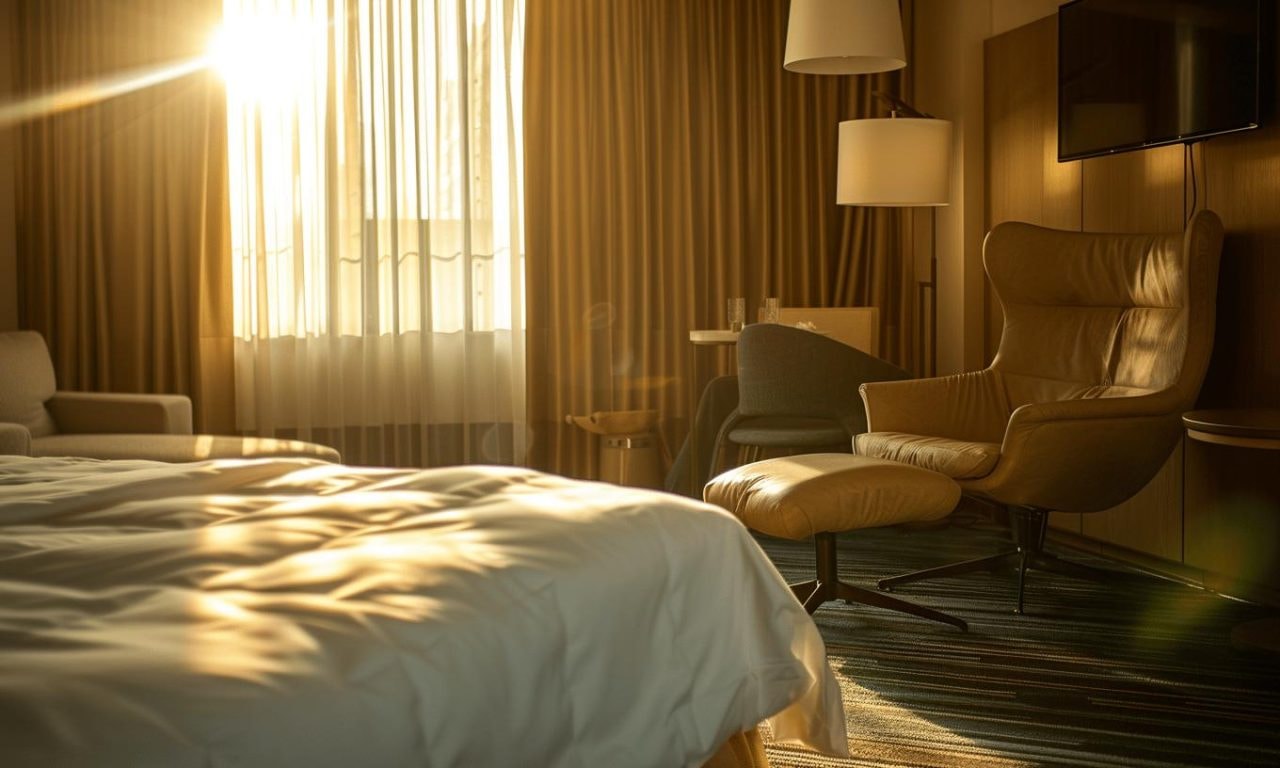
Impeccable lighting is foundational. Use natural light to create a comforting, authentic feel. Aim for early morning or late afternoon when the light is soft and diffused. This timing helps avoid harsh shadows and highlights. Spatial awareness is equally crucial. Position your camera to make rooms look bigger and more inviting. Often, shooting from corners or doorways provides a comprehensive view. A wide-angle lens can be beneficial but avoid going too wide to prevent distortion.
Knowing your angles can transform a good photo into a great one. Spend time in the space to determine the best angles. Shooting from below shoulder height can add presence to the rooms. Immediate impact is another key element. Capture views that travellers will react to instantly. Think about rooms with stunning window views or unique amenities. These can be the selling points for potential guests. Always include room interiors in your galleries. Guests spend significant time in their rooms, so showcasing these spaces is essential.
Tip
Description
Lighting
Use natural light, preferably in the early morning or late afternoon.
Spatial Awareness
Position the camera to make rooms look bigger and more inviting.
Angles
Shoot from below shoulder height to give spaces more presence.
Immediate Impact
Capture views that travellers will instantly react to.
Room Interiors
Always feature room interiors in your galleries.
To sum up, effective hotel interior photography requires a keen eye for detail, an understanding of lighting, and a strategic approach to capturing impactful views. By mastering these tips and best practices, you can create stunning images that attract and engage potential guests. Always aim for consistency in style across all your photographs to maintain a cohesive look that represents your brand effectively.
Essential Equipment for Hotel Interior Photography
Having the right equipment is pivotal for capturing the elegance and sophistication of hotel interiors. A wide-angle lens combined with a full-frame sensor camera is indispensable. This setup allows you to avoid the crop factor that smaller sensors can introduce. An aperture setting of f8 or smaller, such as f9 or f11, ensures optimal depth of field and sharpness. A tripod becomes essential due to the need for long exposure times.
- Wide-angle lens: Ideal for capturing spaciousness without distortion.
- Full-frame sensor camera: Avoids the crop factor, providing true-to-life images.
- Aperture setting (f8 or smaller): Ensures depth of field and sharpness.
- Tripod: Necessary for long exposure times to capture well-lit, sharp images.
Why is a wide-angle lens crucial? It helps in making rooms look larger and more inviting. However, avoid going too wide to prevent distortion. The full-frame sensor camera complements the wide-angle lens perfectly by providing true-to-life images without any cropping issues. Using an aperture of f8 or smaller, such as f9 or f11, is vital for achieving the desired depth of field and sharpness. Lastly, a tripod is indispensable for interior photography due to the need for longer shutter speeds. This equipment collectively ensures that your hotel interior shots are both technically precise and visually stunning.
Lighting Techniques for Capturing Hotel Interiors
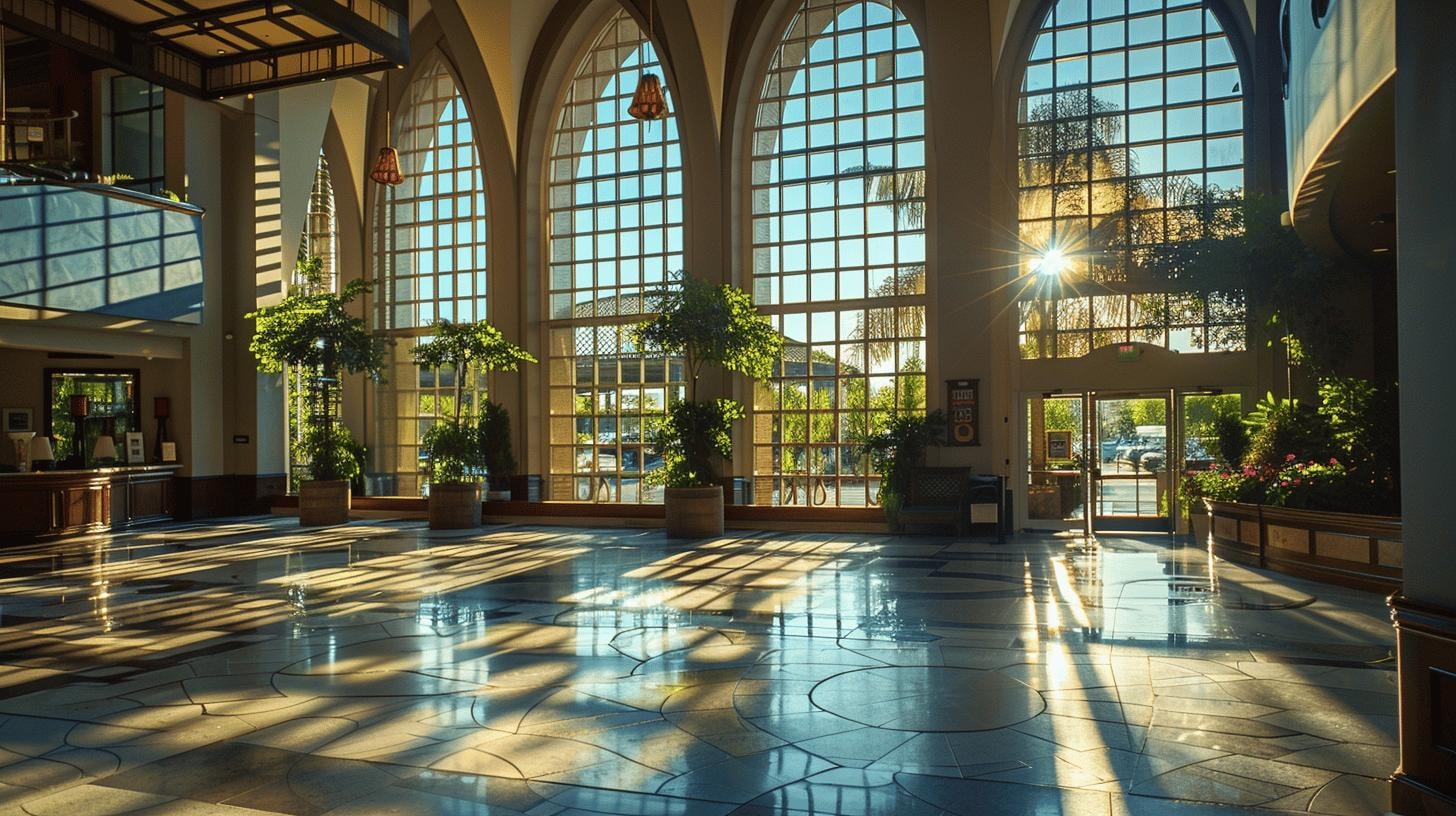
Correct lighting is crucial in hotel photography. It forms the basics of good images. Why? Because lighting sets the mood and highlights the architectural beauty of the interiors. Poor lighting can ruin a potentially great shot. Impeccable lighting can transform a mundane room into a captivating space. The most effective lighting often comes from natural sources. Using natural light in hotel photography is preferable. It’s best to shoot during the early morning or late afternoon. The light is softer and more diffused at these times. This helps in creating a comforting, authentic feel.
Managing hotel lighting conditions is essential. Different rooms and spaces will have varying light levels. You need to adapt. For instance, dining areas may have softer lighting than lobbies. Use reflectors and diffusers to balance the light. This ensures that no part of the room is overexposed. Artificial lighting can supplement natural light. However, it should be used sparingly. Overuse of artificial lighting can lead to unnatural-looking photos. Always aim for a balance between natural and artificial light. This helps in capturing the true ambiance of the spaces.
- Natural Light: Utilise natural light in the early morning or late afternoon.
- Reflectors and Diffusers: Balance the light to avoid overexposure.
- Artificial Lighting: Use sparingly to supplement natural light.
Effective lighting techniques can significantly enhance your hotel interior photography. Utilising natural light whenever possible provides a warm, inviting atmosphere. Reflectors and diffusers help manage lighting conditions, ensuring all areas of the room are well-lit. Artificial lighting should be used minimally to maintain a natural look. By mastering these techniques, you can capture stunning images that truly showcase the elegance of hotel interiors.
Composition and Angles in Hotel Interior Photography
In hotel photography, composition is crucial. Straight vertical lines maintain the architectural integrity of the space. Skewed lines can make a room look unbalanced or distorted. It’s essential to spend time in the space to determine the best angles. Knowing your angles can transform a good photo into a great one. Shooting from below shoulder height often gives the room more presence. This angle can make spaces appear more substantial and inviting.
- Straight Vertical Lines: Ensure vertical lines are straight to maintain architectural integrity.
- Below Shoulder Height: Shoot from below shoulder height to enhance room presence.
- Corner Shots: Position the camera in corners to capture the room’s full expanse.
- Avoiding Distortion: Use lenses that minimise distortion to keep images true to life.
Effective shot composition for hotel interiors involves positioning the camera to make rooms look bigger and more inviting. This can be achieved by shooting from corners or doorways. Wide-angle lenses are beneficial but should be used carefully to avoid distortion. Different angles can highlight various aspects of the space, making it more visually appealing. Capturing the beauty and functionality of hotel interiors requires a keen eye for detail and a strategic approach to composition and angles.
Post-Processing and Editing Hotel Interior Photos
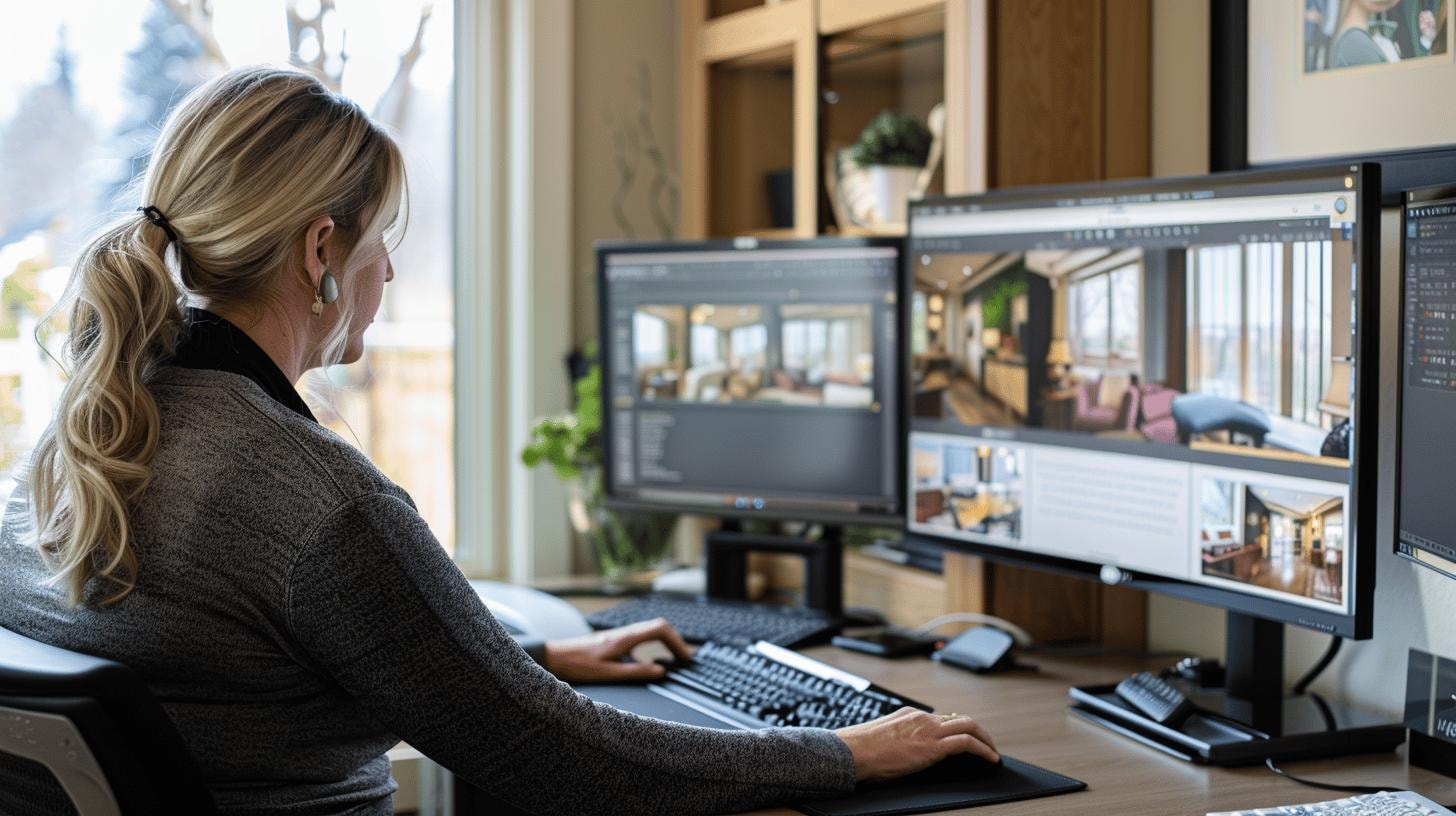
Post-processing is essential to enhance the quality of hotel interior photos. Why? Because raw images often lack the polish required for professional presentation. Hotel photography editing software, such as Adobe Lightroom and Photoshop, plays a crucial role in this phase. These tools offer a comprehensive suite of features designed to elevate your photos. Adjusting brightness and contrast can bring out the best in your images, making rooms appear more inviting and true to life. Correcting lens distortions ensures that lines remain straight, maintaining the architectural integrity of the space.
Advanced post-processing for hotel photography can involve intricate techniques. For example, focus stacking is often used to ensure every part of the image is sharp. This is especially useful in rooms with multiple focal points. Colour correction can also be vital. Different light sources can cast various hues on surfaces, which might not be visually appealing. By balancing the colours, you can achieve a more natural look. Noise reduction is another key aspect, especially in low-light conditions. High ISO settings can introduce grain, which post-processing software can effectively minimise.
- Brightness and Contrast Adjustment: Enhances the overall look by making the image more vibrant.
- Lens Distortion Correction: Keeps vertical lines straight, preserving architectural integrity.
- Noise Reduction: Reduces graininess in low-light photos.
Post-production isn’t just about fixing flaws; it’s about making good photos great. With the right techniques, you can transform a dull image into a stunning visual masterpiece. The goal is to create images that are not only aesthetically pleasing but also true representations of the hotel’s interiors. This ensures potential guests have a clear and attractive view of what to expect.
Creating a Hotel Photography Portfolio
A well-curated portfolio is crucial for attracting potential clients and showcasing your skills in hotel photography. Your portfolio serves as a visual resume, highlighting your ability to capture the elegance and functionality of various hotel spaces. Without a compelling portfolio, it can be challenging to demonstrate your expertise and convince potential clients of your capabilities.
- Diverse Shots: Include room interiors, amenities, and common areas.
- High-Quality Images: Ensure all photos are crisp and clear.
- Consistent Style: Maintain a cohesive look across all images.
- Regular Updates: Add your latest and best work frequently.
When building your portfolio, it’s essential to feature a variety of images. Room interiors should be a primary focus, as guests spend the majority of their time in these spaces. Capturing amenities such as pools, spas, and dining areas can highlight the luxurious aspects of the hotel. Common areas like lobbies and lounges should also be included to give a comprehensive view of the hotel’s offerings. Regularly updating your portfolio with fresh images ensures it remains relevant and showcases your most recent work. This continuous refinement not only keeps your portfolio current but also demonstrates your ongoing commitment to excellence.
Pricing and Packages for Hotel Photography Services
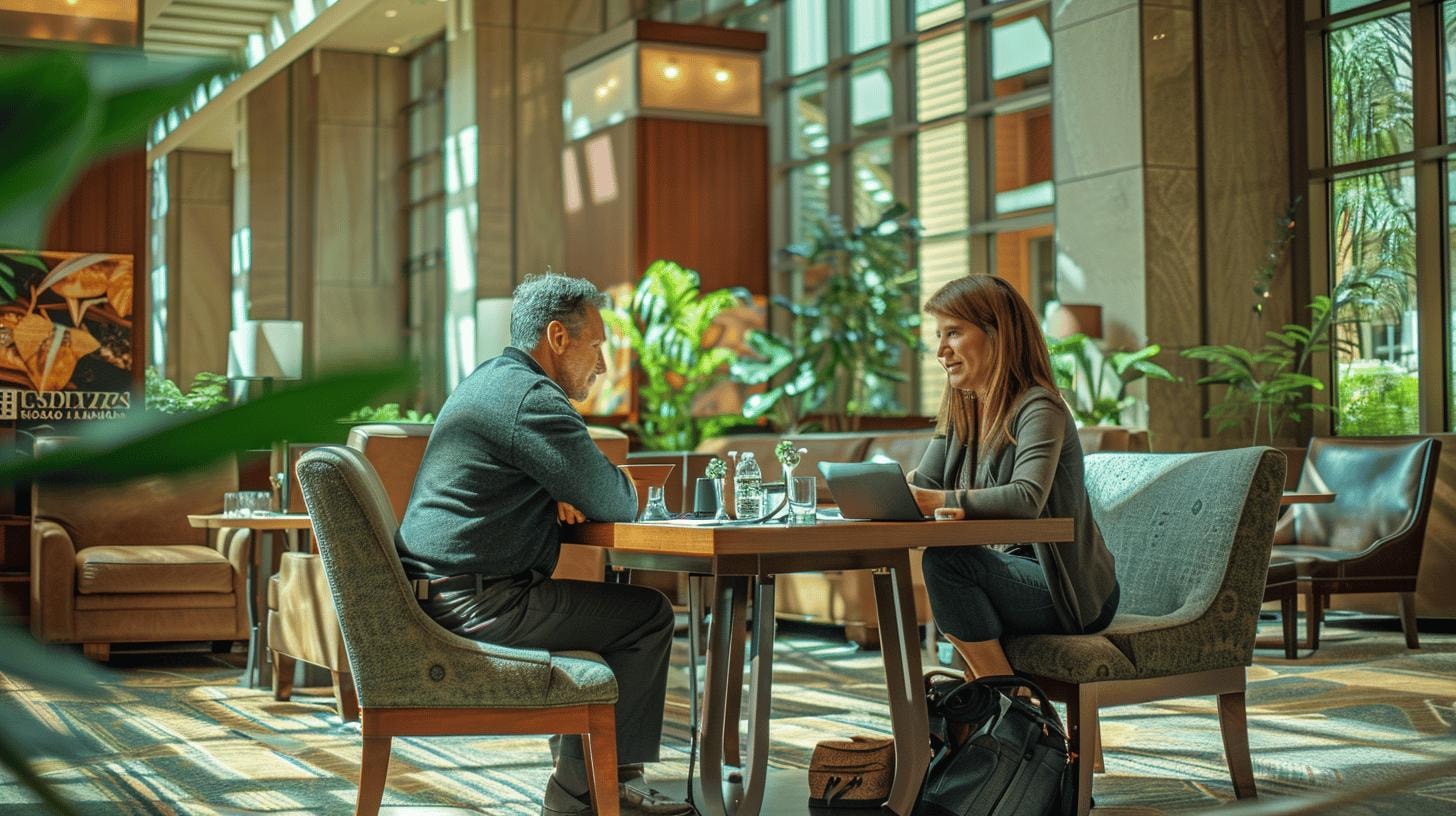
Pricing for hotel photography services can vary significantly. The scope of the project and the experience of the photographer are major factors. A complex shoot involving multiple locations will naturally cost more than a straightforward room shoot. Additionally, a seasoned photographer with a robust portfolio may charge higher fees. It’s essential to understand these elements when budgeting for photography services.
- Basic Package: Includes a limited number of shots, typically focusing on key areas like rooms and the lobby.
- Standard Package: Offers a more extensive range of images, covering additional amenities such as dining areas and pools.
- Premium Package: Provides a comprehensive photo shoot, including all aspects of the hotel, plus advanced post-processing and editing.
Consultations are often available to discuss your specific needs. This allows the photographer to tailor their services accordingly. During a consultation, you can outline your vision and requirements. This helps in crafting a package that aligns with your goals. Customising the services ensures that you get the most value for your investment. Tailored packages can address unique aspects of your property, enhancing its marketability.
Marketing and Sharing Hotel Interior Photos
Sharing high-quality images across various platforms is essential for hotel photography marketing. Why? Because visually appealing photos can significantly boost your hotel’s online presence and attract more bookings. Whether it’s on your hotel website, social media channels, or OTA listings, these images form the first impression potential guests will have of your property.
- Social Media: Regularly post engaging photos on platforms like Instagram, Facebook, and Twitter.
- OTA Listings: Ensure your images are optimised for online travel agencies like Expedia and Booking.com.
- Influencer Collaborations: Partner with influencers to reach a broader audience.
- User-Generated Content: Encourage guests to share their own photos and experiences.
Leveraging user-generated content is another powerful strategy. Encourage guests to share their photos on social media by creating unique hashtags or running photo contests. This not only increases engagement but also provides authentic content that resonates more with potential guests. Engaging with influencers can further amplify your marketing efforts. Influencers already have a loyal following who trust their recommendations. By partnering with them, you can reach a wider audience and enhance your hotel’s visibility. Additionally, regularly updating your OTA listings with fresh, high-quality images ensures that your property stands out in a crowded marketplace.
Final Words
We explored what hotel photography for interiors entails, its importance in forming first impressions, and how it enhances your hotel’s web presence.
Effective lighting, spatial awareness, and the right equipment are crucial for capturing compelling images. Composition, angles, and post-processing techniques further elevate the quality of photos.
A well-curated portfolio and suitable pricing packages can attract more clients.
Finally, leveraging high-quality images for marketing across various platforms can significantly boost your hotel’s visibility and occupancy rates. Remember, great hotel photography for interiors is pivotal to showcasing your property effectively.
FAQ
How to photograph hotel interiors?
To photograph hotel interiors, use natural light, position the camera to make rooms look spacious, and capture impactful views that will attract guests. A wide-angle lens and proper angles are essential for stunning images.
How much do hotel photographers charge?
Hotel photographers charge rates based on the project’s scope and their experience. Prices typically range from a few hundred to several thousand pounds, depending on the level of service and the photographer’s expertise.
What is hotel photography called?
Hotel photography is often referred to as hospitality photography. It encompasses capturing images of hotel rooms, amenities, and common areas to showcase the property’s appeal to potential guests.
What should I charge for interior design photography?
When setting rates for interior design photography, consider factors like your experience, the project’s complexity, and the location. Rates can vary widely but typically range from £100 to £300 per hour or per project basis.