
← All notes Note N°04 / 04
Photography Gear for Home Interiors
Explore the essentials of interior photography, from choosing the right gear to mastering lighting and composition. Learn professional tips for capturing stunning home interiors, whether you're a novice or an expert. Elevate your photography skills and bring indoor spaces to life.
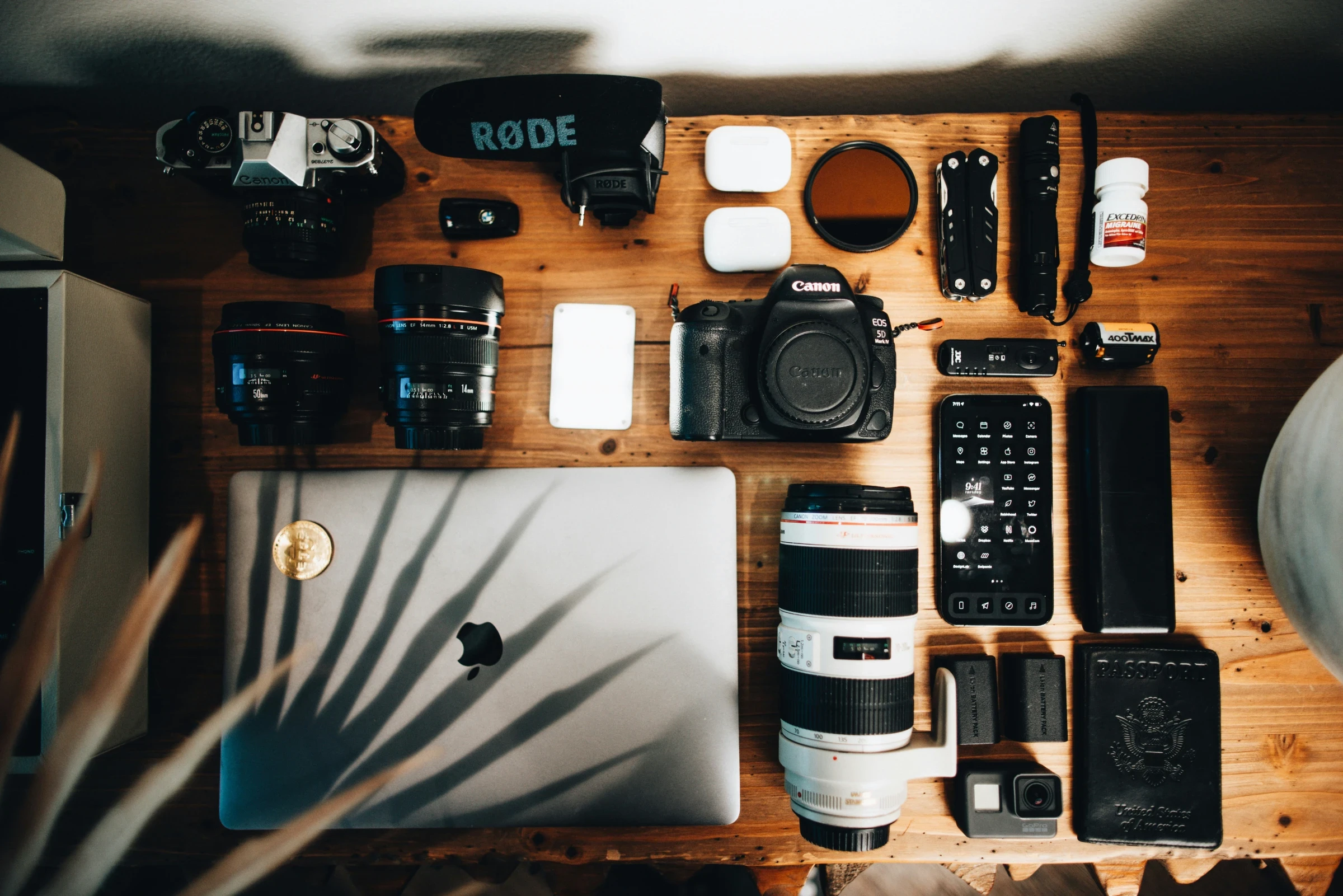
Photography isn’t just about capturing moments; it’s an art form that requires the right tools, especially when it comes to interior photography. Whether you’re a professional aiming to showcase your work or a hobbyist looking to capture the essence of home interiors, having the right gear can make all the difference. In this guide, we’ll dive into the essentials of photography gear for home interiors, offering insights and tips to elevate your photographic journey.
Looking to commission an interior set rather than shoot your own? Browse the studio’s interior photography service, the recent residential portfolio, or read about coverage in Bristol and the Cotswolds.
Table of Content
- Introduction to Interior Photography
- Essential Photography Gear
- Setting Up Your Space
- Post-Processing Techniques
- Tips for Professional-Quality Photos
- Conclusion
Introduction to Interior Photography
The Importance of Quality Photography in Interior Design
High-quality photography plays a pivotal role in interior design, enabling designers to showcase their work in the best light possible. It’s not just about capturing spaces; it’s about telling a story and highlighting the details that make each design unique. For homeowners, professional photographs can enhance the appeal of their property, whether for personal enjoyment or real estate listings.
Understanding the Basics of Interior Photography
Before diving into the gear, it’s crucial to understand the basics of interior photography. This genre focuses on capturing the aesthetic and functional beauty of interior spaces. It requires a keen eye for composition, lighting, and detail. With the right techniques and equipment, you can transform an ordinary room into a stunning visual narrative.
Essential Photography Gear
Cameras: DSLR vs. Mirrorless
Choosing the right camera is the first step in your interior photography journey. DSLRs have long been the go-to for their reliability and range of lenses. However, mirrorless cameras are gaining popularity for their compact size and excellent image quality. Consider your budget, style, and the type of interior shots you plan to take when selecting your camera.
Lenses: Wide-Angle Lenses
Lenses can significantly impact the quality and perspective of your interior photographs. Wide-angle lenses are essential for capturing the full essence of a room without distortion. They allow you to include more of the space in the frame, making them perfect for small and large rooms alike.
Tripods: Features to Look For
A sturdy tripod is a must-have for interior photography. It stabilizes your camera, ensuring sharp images and allowing for longer exposure times in low light conditions. Look for a tripod with adjustable legs and a rotatable head for maximum versatility.
Lighting Equipment: Natural vs. Artificial Lighting
Lighting can make or break an interior photograph. While natural light is often preferred for its softness and authenticity, artificial lighting equipment like flashes and continuous lights can help fill in shadows and highlight specific areas. Light modifiers, such as umbrellas and softboxes, can soften artificial light, mimicking the natural light’s appeal.
Additional Accessories
Remote shutter releases, reflectors, and diffusers are invaluable accessories in interior photography. They help reduce camera shake, improve light distribution, and enhance the overall quality of your photos.
Additional Accessories: Remote Shutter Release
Investing in a remote shutter release can significantly improve the quality of your interior shots. This handy tool allows you to take photos without physically touching the camera, reducing the risk of camera shake and ensuring sharp images. Reflectors and diffusers are also vital for manipulating light and reducing harsh shadows.
Setting Up Your Space
Composing Your Shots
Composition is key in interior photography. It involves arranging the elements in your frame to create a visually appealing and balanced image. Experiment with different angles and perspectives to find the most flattering composition for each space. Remember, the goal is to guide the viewer’s eye through the room and highlight its best features.
Managing Light and Shadows
Effective management of light and shadows is crucial for capturing the true ambiance of an interior space. Use curtains and blinds to control natural light and consider the time of day when planning your shoot for the best lighting conditions. Artificial lighting can be used to fill in shadows and highlight specific areas or decor.
Post-Processing Techniques
Basic Editing Steps
Post-processing is an essential step in achieving professional-quality interior photos. Basic editing steps include adjusting exposure, contrast, and white balance to enhance the overall look of your images. Cropping and straightening are also important for ensuring that your photos are well-composed and level.
Advanced Editing Software
For those looking to take their interior photography to the next level, advanced editing software offers a range of tools for detailed adjustments and corrections. Programs like Adobe Photoshop and Lightroom allow you to fine-tune colors, remove unwanted objects, and even merge multiple exposures for the perfect shot.
Tips for Professional-Quality Photos
Staging Interiors
Staging is a powerful technique in interior photography. It involves arranging furniture and decor to make the space look its best. Simple adjustments, like decluttering surfaces and adding fresh flowers, can dramatically enhance the appeal of your photos. Pay attention to the small details that can add character and depth to your images.
Capturing Details
Don’t forget to capture the details that make each interior unique. Close-up shots of decor, textures, and architectural features can add variety to your portfolio and showcase your attention to detail. These shots can also tell a more complete story of the space, complementing wider room shots.
Conclusion
Interior photography is a blend of art and technique, requiring not just creative vision but also the right gear and skills. By understanding the essentials of photography gear, mastering the art of composition and lighting, and honing your post-processing abilities, you can capture stunning interior photos that tell a story and showcase spaces in their best light. Remember, the key to success in interior photography is not just the equipment you use but your ability to see and capture the beauty in everyday spaces.